Water Retention: Why It Happens & What You Can Do About It?
Our bodies are composed of approximately 60% water, yet maintaining the correct fluid balance is a delicate process. When excess fluid accumulates within the circulatory system or becomes trapped in the tissues, this is known as oedema, more commonly referred to as water retention.
Water retention can affect anyone and may present with a variety of symptoms including swollen ankles, legs or knees, puffy eyes, bloating, swollen fingers, breast tenderness and a general feeling of heaviness. Whilst often temporary and harmless, persistent water retention may indicate an underlying issue that requires further investigation.
Why Does Water Retention Occur?
One of the primary causes of water retention is increased permeability of the tiny blood vessels known as capillaries. Under normal circumstances, capillary walls allow nutrients and oxygen to pass into surrounding tissues whilst preventing excessive leakage of fluid. However, when these delicate structures become weakened or more permeable, fluid can escape into the spaces between cells where it accumulates.
Ageing may contribute to this process, but it is by no means the only factor. Heat, prolonged standing, hormonal fluctuations, stress and poor circulation can all increase capillary permeability and encourage fluid retention. Women commonly experience water retention during certain phases of the menstrual cycle due to changes in oestrogen and progesterone levels.
Other potential contributors include inadequate protein intake, low levels of certain B vitamins, excessive sodium consumption and, in some cases, underlying heart, kidney or liver conditions. For this reason, anyone experiencing sudden or severe swelling should seek appropriate medical advice.
Supporting Healthy Fluid Balance Naturally
A comprehensive approach to water retention involves supporting both circulation and the integrity of the blood vessels whilst encouraging the body's natural elimination processes.
Dandelion – Nature's Traditional Diuretic
Dandelion has a long history of traditional use for supporting fluid balance. Unlike many conventional diuretics, dandelion naturally contains potassium and other minerals that may be lost when excess fluid is excreted.
Rich in vitamins, minerals and plant compounds, dandelion helps support the body's natural detoxification pathways and may assist in reducing temporary fluid retention.
(Natures Answer, Dandelion Root - Alcohol Free)
Vitamin C And Capillary Strength
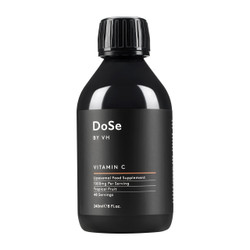
Vitamin C plays a vital role in the production of collagen, the structural protein that provides strength and integrity to blood vessels. Healthy capillaries are less prone to leakage, helping to prevent fluid from accumulating in surrounding tissues. Beyond its well-known immune benefits, vitamin C is one of the most important nutrients for maintaining healthy connective tissue and supporting normal circulation. For those prone to fluid retention, ensuring optimal vitamin C intake may provide valuable support.
(DoSe By VH, Liposomal Vitamin C)
Horse Chestnut And Circulatory Support
For those who experience heavy, tired legs or visible veins, Horse Chestnut is one of the most researched botanicals for circulatory support. Its active compound, aescin, is believed to help strengthen blood vessels and reduce capillary leakage.
A. Vogel, Horse Chestnut Aesculus Drops
Diosmin Plus offers additional support for healthy circulation and venous function. Diosmin and hesperidin are flavonoids that help support vein tone, microcirculation and capillary integrity, making them particularly beneficial for those who experience swollen ankles, heavy legs or fluid retention associated with poor circulation.
(DoSe By VH, Diosmin Plus)
The Often-Overlooked Role Of Magnesium
Magnesium is another nutrient worthy of consideration, particularly for women who experience cyclical water retention. Low magnesium status has been linked to increased fluid retention and bloating, whilst adequate intake may help support normal fluid regulation and hormonal balance.
(DoSe By VH, Magnesium Complex)
Lifestyle Measures That Can Help
Alongside targeted supplementation, several simple lifestyle strategies may help minimise water retention:
- Stay adequately hydrated throughout the day.
- Reduce excessive salt intake.
- Increase movement and avoid sitting or standing in one position for prolonged periods.
- Elevate the legs when possible.
- Maintain a healthy body weight.
- Consume sufficient protein to support normal fluid balance.
- Include potassium-rich foods such as avocados, leafy greens and bananas.
A Holistic Approach
Water retention is often a symptom rather than a condition in itself. Whilst natural supplements can provide valuable support, the most effective approach is to identify and address the underlying cause. By supporting capillary integrity, healthy circulation and normal fluid elimination, it is often possible to reduce swelling, ease discomfort and restore a greater sense of wellbeing.
If water retention is persistent, worsening or accompanied by symptoms such as shortness of breath, chest pain or sudden swelling, medical advice should always be sought promptly.