What to Take Before and After Surgery to Support Your Recovery
As a pharmacist, one of the questions I am asked most often — and yet one that rarely comes up in a pre-operative appointment — is what people can actually do to prepare their body before a surgical procedure, and how to support recovery afterwards in ways that go beyond simply resting and taking whatever has been prescribed.
Whether you are having a day-case procedure or something requiring a longer hospital stay, the fundamentals of what the body needs during this period are remarkably consistent: it needs to manage inflammation, repair tissue, keep the digestive system functioning, and restore itself at a cellular level. In my experience, patients who take a few simple, sensible steps in the week or so before and after their procedure tend to feel better supported through recovery — and that is what this guide is about.
I want to cover four areas that I believe are genuinely worth paying attention to: gut health and constipation, hydration and electrolytes, immune support and tissue repair, and scar healing. None of these are dramatic interventions. They are the kind of practical, evidence-informed measures that I would recommend to anyone preparing for surgery*, regardless of the type of procedure.
Constipation after surgery: why it happens and what I suggest
This is perhaps the most common post-surgical complaint I hear about, and yet it is almost never discussed beforehand. If you have been through surgery before, you may know this from personal experience. If this is your first procedure, it is well worth being prepared.
Many operations — from orthopaedic, spinal, and gynaecological procedures through to abdominal, cosmetic, and cardiac surgeries — result in stronger pain relief being prescribed in the immediate aftermath. Opioid-based analgesics in particular are well known to slow gut motility significantly. Add to that the effects of general or regional anaesthesia, reduced physical movement during early recovery, and the disruption to your usual eating and drinking routine, and it becomes clear why the bowel so often struggles in the days and weeks following a procedure.
The supplement I tend to reach for in this situation is Inulin — a soluble prebiotic fibre derived from chicory root, which also occurs naturally in foods such as onions, garlic, leeks, and bananas. Inulin works by selectively feeding the beneficial bacteria in the large intestine, supporting the natural digestive processes that keep things moving — and doing so gently, without the abrupt response that conventional laxatives can produce. It is worth noting that native chicory inulin carries an authorised EU health claim for contributing to the maintenance of normal defecation by increasing stool frequency, which reflects the scientific basis behind this recommendation.
What I would particularly stress, however, is timing. Rather than waiting until constipation has already taken hold — when you are already uncomfortable and possibly several days post-procedure — I recommend starting Inulin around a week before your operation and continuing immediately afterwards. This way, your gut is already in a stronger, more resilient state before anaesthesia and pain medication ever come into the picture.
Why hydration matters so much around the time of surgery
I know that telling people to drink more water can feel like the most unremarkable advice in the world — but when it comes to surgical recovery, adequate hydration genuinely earns its place as a priority. It is also one of the most direct contributors to the constipation I have just described.
Here is what happens when the body is low on fluid: the colon compensates by drawing water from the waste material passing through it, resulting in harder, drier stools that are much more difficult to pass. But bowel function is far from the only consequence. Fluid is essential for flushing out the metabolic waste produced during tissue repair, supporting kidney function as the body processes anaesthetic agents and medications, maintaining energy levels, and helping any incision heal well. The guidance I give is to aim for eight to ten glasses of water daily — and to be particularly mindful of this during recovery, when routine tends to go out of the window.
Plain water, however, does not always tell the complete story. Around the time of any surgical procedure, the body can lose important electrolytes — sodium, potassium, magnesium, and other minerals that are essential for cellular function, nerve signalling, and muscle activity. Pre-operative fasting, intravenous fluids during the procedure, post-operative sweating, and any nausea or vomiting related to anaesthesia can all deplete these minerals, and simply drinking more water will not replace them.
This is why I would suggest adding a dedicated electrolyte supplement rather than relying on water alone. Viridian Electrolyte Fix Liquid is formulated to support whole-body hydration at a cellular level, and it is one I feel confident recommending. As with the Inulin, I would suggest beginning this around a week before your procedure and continuing through recovery to give the body the most solid foundation possible.
Supporting immune function and tissue repair before and after surgery
Surgery, however routine it may appear, represents a significant physiological event for the body. Any time tissue is incised, sutured, manipulated, or repaired — whether in a short elective procedure or something more involved — the immune system is called into action and the body's demand for tissue repair begins immediately.
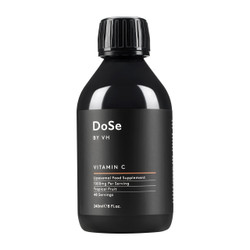
The supplement I consistently recommend in this context is Liposomal Vitamin C, and for two specific reasons that are directly relevant here. Vitamin C contributes to the normal function of the immune system and it also contributes to normal collagen formation for the normal function of bones, cartilage, skin, and gums — also an authorised EU claim, and arguably the more important of the two in a surgical context.
Collagen is the primary structural protein in the body — the fundamental building block of skin, tendons, ligaments, cartilage, and connective tissue. Following any procedure that involves an incision or repair, the body's demand for collagen synthesis increases considerably, and Vitamin C is a co-factor the body requires to carry out this process effectively.
The reason I specify Liposomal Vitamin C rather than a standard supplement is absorption. At higher doses, conventional Vitamin C is not well absorbed through the gut, which limits how much actually reaches the tissues that need it. Liposomal Vitamin C encases the nutrient within a lipid layer, allowing it to pass through the intestinal wall more readily and be delivered to cells in a significantly more bioavailable form. I would recommend beginning this around a week before your procedure and continuing throughout recovery.
Supporting scar healing after surgery
For anyone undergoing a procedure that involves an incision — which applies to the vast majority of surgical operations — scarring is a very natural concern. This is true regardless of the type of surgery, whether a small opening from a minimally invasive procedure or a longer one from open surgery. The question for most people is not only how the scar will look, but how the skin and underlying tissue heals and feels over time. Tightness, sensitivity, itching, and changes in texture are all common as the process unfolds, and outcomes vary considerably between individuals.
Scars form as part of the body's wound-repair response. In the initial stages, collagen is laid down rapidly to close the wound; over the following weeks and months, this remodels into permanent scar tissue. How flat, flexible, and comfortable the scar ultimately becomes can be influenced by how well the surrounding skin is supported during this remodelling phase, and this is where a topical product can be genuinely helpful.
Sheald Recovery Balm is one I recommend for post-procedural skin recovery. That said, I want to be clear about timing: it is essential to check with your surgical team about when it is clinically appropriate to begin applying any topical product to a healing wound. The right moment will depend on your specific procedure, the closure method used — whether sutures, staples, or adhesive strips — and how your individual healing is progressing. Please never apply anything to an open or unhealed wound without clinical guidance.
Finally, please bring any supplements you are considering to the attention of your consultant before starting them. Some supplements can interact with medications prescribed perioperatively — including anticoagulants, antibiotics, and anti-inflammatories — and what is appropriate will depend entirely on your individual procedure and care plan. The aim is always to work thoughtfully with your medical team, not independently of them.