
Mega Probio, is a dairy-free live culture food supplement containing eight bacterial strains from the Bifidobacterium, Lactobacillus and Streptococcus families, including Lactobacillus acidophilus and Bifidobacterium lactis. Mega Probio contains 10 billion CFU (colony forming units) of live bacteria in each serving of two capsules. Each serving also provides fructooligosaccharides (FOS), a type of soluble fibre found naturally in foods such as chicory root, onions and bananas, foods that are considered important for supporting gut health.
Many live culture supplements are grown on, or contain, milk-based ingredients. Mega Probio is made entirely without dairy, so it's suitable for anyone following a dairy-free diet or avoiding milk and milk products. The capsules can be taken at any time of day, with or without food, and can also be opened and sprinkled over cool food or mixed into a cold drink.
Key Benefits of Mega Probio:
- 10 billion CFU of live cultures per serving
- Eight bacterial strains, including L. acidophilus and B. lactis
- With fructooligosaccharides (FOS)
- Dairy-free food supplement
- Suitable for vegetarians
- Take with or without food, morning or evening
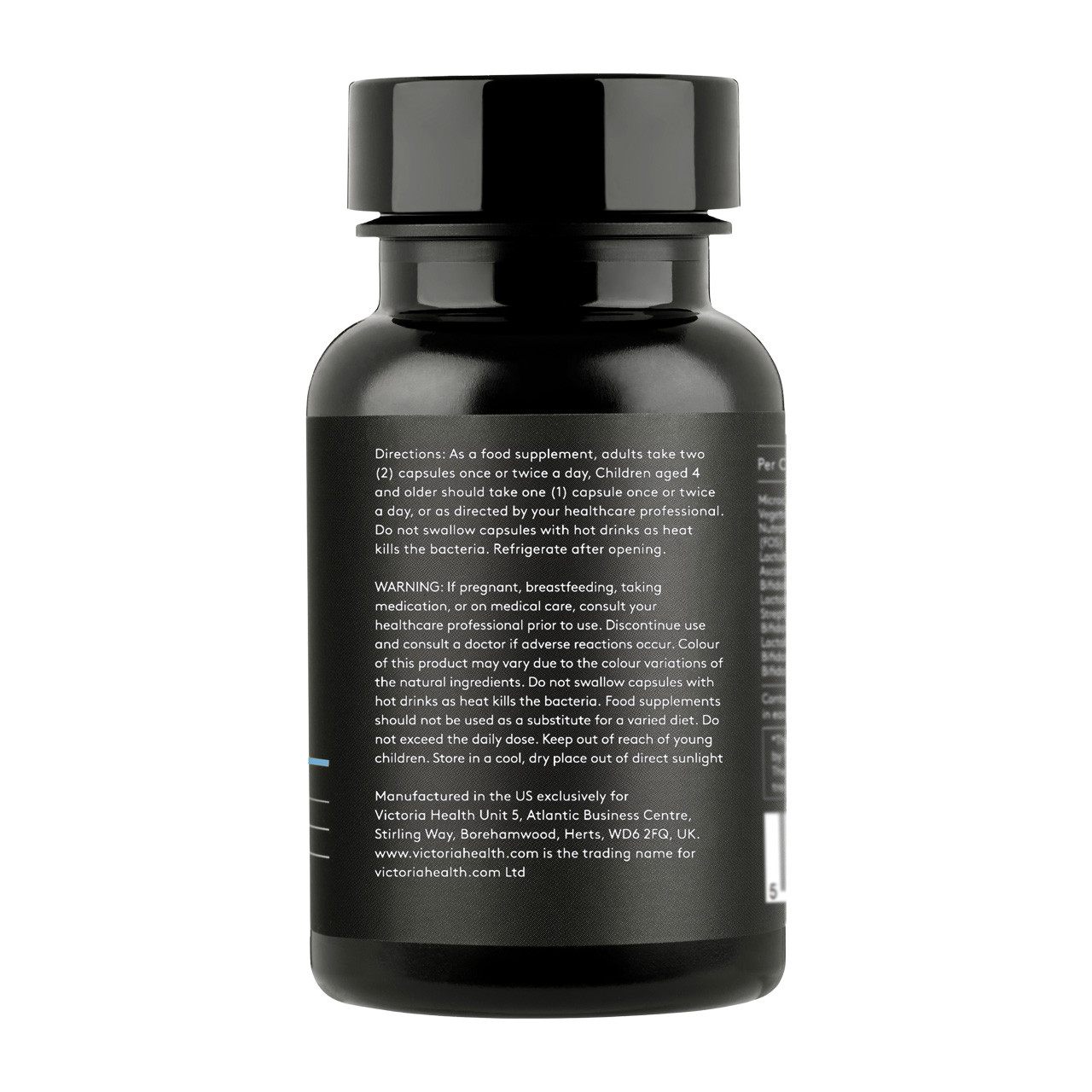
Directions: As a food supplement take two probiotic capsules once or twice daily with or without food. Children over 4 years should take one capsule once or twice daily, or as directed as a healthcare practitioner.
Our in-house pharmacist, Shabir Daya has written twenty one articles about Mega Probiotic ND:
- Bad Breath & The Gut Health Connection
- How To Stop Nausea After Eating
- Common Holiday Health Problems Solved
- Shake Up Your Sedentary Lifestyle
- Rosacea Treatment for Face & Eyes
- The Science of Staying Younger
- The Most Important Supplement For The Whole Family: Probiotics
- My Essential Vitamins For Optimal Health
- When Colds or Flu Strike
- Lower Back Pain
- How To Tackle Low Mood
- Vitamins To Take In Your 40s
- Vitamins to take in your 50s
- Restoring Optimal Gut Health
- How To Treat Candida Overgrowth
- Irritable Bowel Syndrome Symptoms And Treatment
- What Can’t Probiotics Do?
- Bacterial Vaginosis: Symptoms & Natural Treatments
- Managing Fibromyalgia Symptoms Naturally
- Factors Which Compromise Your Gut Health
- Finding Calm - Natural Approaches To Digestive Discomfort
- Supplements to take when on GLP-1
If pregnant, breastfeeding, taking medication, or on medical care, consult your healthcare professional prior to use. Discontinue use and consult a doctor if adverse reactions occur. Colour of this product may vary due to the colour variations of the natural ingredients. Do not swallow capsules with hot drinks, as heat kills the bacteria. Refrigerate after opening. Food supplements should not be used as a substitute for a varied diet. Do not exceed the daily dose. Keep out of reach of young children. Store in a cool, dry place out of direct sunlight.
Ingredients Per Serving (2 Capsules):
- Microcrystalline Cellulose - 638.8mg
- Vegetable Cellulose (capsule) - 192mg
- Stabilised Nondairy Probiotic Complex (10 billion CFU) (including Fructooligosaccharides (FOS), Lactobacillus Acidophilus, Bifidobacterium Lactis, Lactobacillus Casei, Streptococcus Thermophilus, Bifidobacterium Breve, Lactobacillus Rhamnosus, Bifidobacterium Longum, Bifidobacterium Bifidum) - 123.77 mg
- Ascorbyl Palmitate - 16mg
Contains 10 billion CFU (Colony Forming Units) in each serving size.
Meet the bacteria
Mega Probio contains eight strains from three groups, often called lactic acid bacteria because they turn sugars into lactic acid.
Bifidobacterium (bifidobacteria) are named after the Latin bifidus, "split in two", because many species have a distinctive forked or Y-shape under the microscope. Bifidobacteria are among the first bacteria to settle in the human gut after birth.
- Bifidobacterium bifidum: the first bifidobacterium ever discovered, identified in 1899 by French paediatrician Henri Tissier at the Pasteur Institute in Paris.
- Bifidobacterium longum: named for its long, rod-like shape, and one of the most common bifidobacteria found in the human gut.
- Bifidobacterium breve: from the Latin for "short", describing its compact shape.
- Bifidobacterium lactis: commonly found in fermented milk products, and one of the most widely used cultures in foods worldwide.
Lactobacillus (lactobacilli) are rod-shaped bacteria named for their ability to produce lactic acid. They are found naturally in the human digestive tract and are widely used in food production.
- Lactobacillus acidophilus: "acid-loving", because it thrives in acidic conditions. It was first isolated in 1900 by the Austrian paediatrician Ernst Moro, and is one of the most widely used live cultures in the world.
- Lactobacillus casei: from the Latin caseus, "cheese", reflecting its long history in cheese and fermented milk drinks.
- Lactobacillus rhamnosus: named after rhamnose, a natural sugar it can use for energy.
Streptococcus
- Streptococcus thermophilus: "heat-loving", because it thrives at the warm temperatures used in yoghurt making. It is one of the two classic starter cultures used to make yoghurt.
About FOS
Fructooligosaccharides (FOS), also called oligofructose, are short chains of fructose, a naturally occurring sugar. They are found in foods such as chicory root, Jerusalem artichoke, onions, garlic, leeks, asparagus and bananas. Human digestive enzymes don't break them down, so FOS are classed as a type of soluble fibre and are often described as a prebiotic.
Understanding CFU counts
CFU (colony forming units) is the standard measure of live bacteria in a supplement. It counts viable bacteria, those alive and able to multiply, rather than total cells. Because live cultures naturally decline over time, a CFU count is most meaningful when it states whether it applies at the time of manufacture or until the end of shelf life. Mega Probio provides 10 billion CFU per serving.
Choosing a dairy-free live culture supplement
Many live culture products, from yoghurts to supplements, are grown on or contain milk-based ingredients. For people following a dairy-free, lactose-free or plant-based diet, a dairy-free formula such as Mega Probio means live cultures can be part of the daily routine without milk or milk products.
Your digestive system and gut microbiota
Your digestive tract runs for around 9 metres from mouth to colon. Along the way, it is home to an estimated 38 trillion bacteria, roughly as many as there are human cells in your body. Most of them live in the large intestine, or colon. Together, these bacteria are known as the gut microbiota, sometimes called gut flora or gut bacteria. Scientists have identified more than a thousand bacterial species in the human gut, and each person carries a few hundred of them. The mix is unique to every individual, a little like a fingerprint, and is shaped by diet, lifestyle, environment and age. The word microbiome refers to these microorganisms together with all of their genetic material.
A short history of live cultures
People have eaten foods made with live bacteria for thousands of years. Yoghurt, kefir, cheese, sauerkraut, kimchi, kombucha and miso all rely on bacteria or yeasts to ferment sugars, giving these foods their tangy flavour and helping them keep. Many of the bacteria in Mega Probio belong to the same lactic acid bacteria groups used in traditional fermented foods. Today, live culture supplements are a familiar part of many people's daily wellness routines, alongside a varied diet rich in plant foods, fibre and fermented foods.
When should I take Mega Probio capsules?
Mega Probio can be taken at any time of day, with or without food. Many people find it easiest to take with breakfast or their evening meal so it becomes part of their daily routine. Take the capsules with water or a cool drink, never a hot drink.
What does CFU mean?
CFU stands for colony forming units, the standard way of measuring live bacteria in a supplement. It counts the bacteria that are viable, meaning alive and able to multiply, rather than the total number of cells. Each two-capsule serving of Mega Probio contains 10 billion CFU.
Which bacterial strains are in Mega Probio?
Mega Probio contains eight strains: Lactobacillus acidophilus, Lactobacillus casei, Lactobacillus rhamnosus, Bifidobacterium lactis, Bifidobacterium breve, Bifidobacterium longum, Bifidobacterium bifidum and Streptococcus thermophilus.
What is Lactobacillus acidophilus?
Lactobacillus acidophilus is one of the best-known lactic acid bacteria. Its name means "acid-loving", because it thrives in acidic conditions. It is found naturally in the human digestive tract and is widely used in fermented foods such as yoghurt and kefir. It was first isolated in 1900 by the Austrian paediatrician Ernst Moro.
Is eating yoghurt the same as taking a live culture supplement?
Yoghurt is made using live cultures, traditionally Streptococcus thermophilus and Lactobacillus bulgaricus, but the number and types of bacteria vary between products and are rarely stated on the pot. Mega Probio provides eight named strains and a stated 10 billion CFU per serving, in a dairy-free capsule.
What is FOS?
Fructooligosaccharides (FOS) are short chains of fructose found naturally in foods such as chicory root, onions, garlic, leeks, asparagus and bananas. They are classed as a type of soluble fibre.
Is Mega Probio dairy-free and vegetarian?
Yes. Mega Probio is dairy-free and suitable for vegetarians.
Can children take Mega Probio?
Children over 4 years can take one capsule once or twice daily, or as directed by a healthcare practitioner. Capsules can be opened and the contents mixed into cool food or a cold drink.
I can't swallow capsules. Can I open them?
Yes. You can open Mega Probio capsules and sprinkle the contents over cool food or mix them into a cold drink. Avoid hot food and drinks.
How long does a bottle last?
Each bottle contains 60 capsules. At two capsules a day, a bottle lasts 30 days.
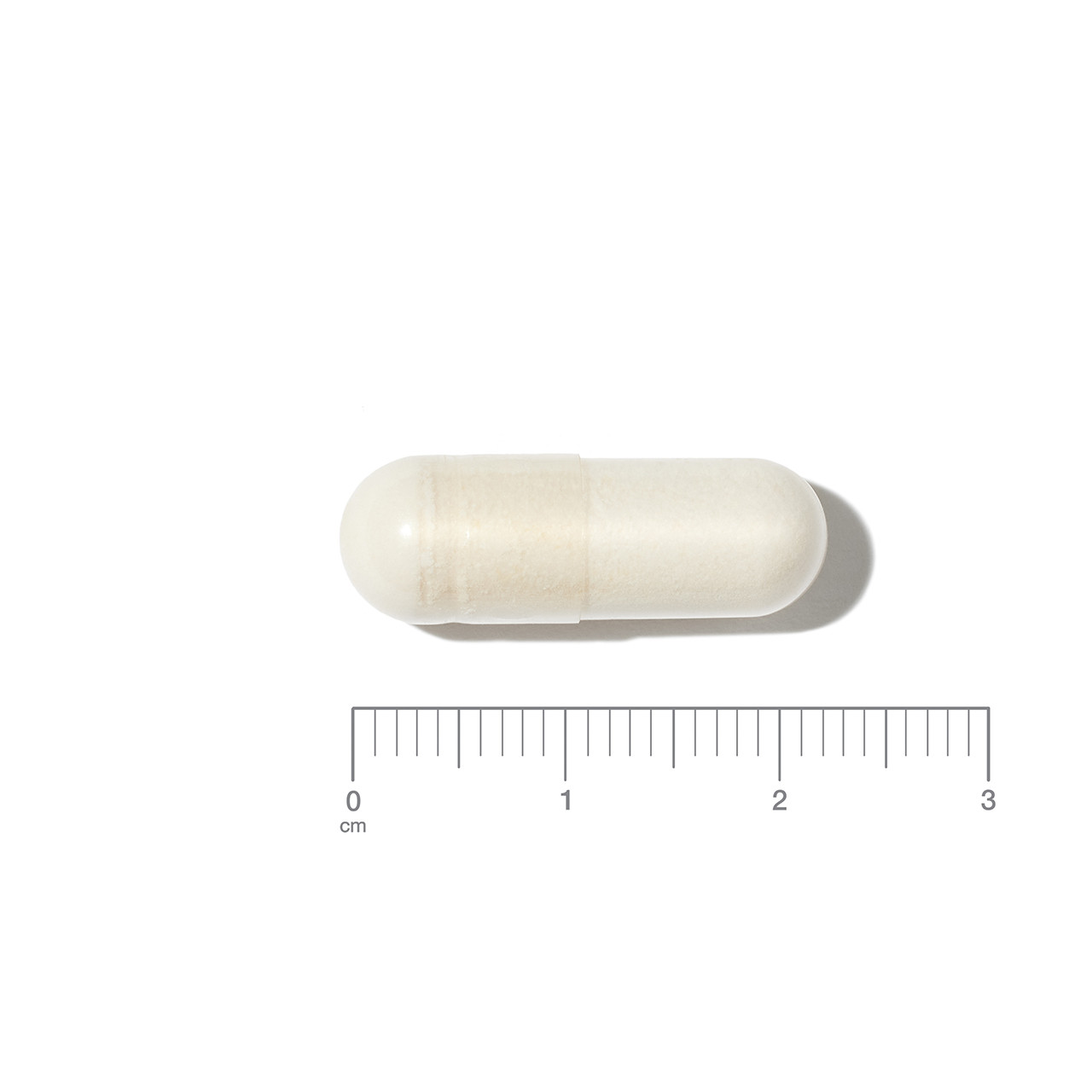
How large is the Mega Probio capsule?
Each capsule is approximately 2 cm long.
Why has the name changed?
Mega Probio was previously called Mega Probiotic ND. The formula is unchanged.
Can I take Mega Probio when I'm pregnant or breastfeeding?
Mega Probio is not suitable during pregnancy or while breastfeeding.
Are Mega Probio bottles recyclable?
Yes. The bottles are made of PET and are 100% recyclable.
Are DoSe by VH supplements made in a GMP facility?
Yes. DoSe by VH supplements are made in facilities operating under Good Manufacturing Practice (GMP) guidelines, in small batches.
Do you have a Certificate of Analysis (COA) for each batch?
Yes. Each batch comes with a Certificate of Analysis (COA) confirming its identity, purity and live culture count.
Food supplements should not be used as a substitute for a varied diet. Store in a cool, dry place away from direct sunlight. Keep out of reach of young children. Do not exceed the daily dose. If pregnant, or breastfeeding, or if you are taking medication, or on medical care, consult your physician prior to use. While we work to ensure that product information on our website is correct, on occasion manufacturers may alter their ingredient lists. Actual product packaging and materials may contain more and/or different information than that shown on our website. All information about the products on our website is provided for information purposes only. We recommend that you do not solely rely on the information presented on our website. Please always read the labels, warnings, and directions provided with the product before using or consuming a product. In the event of any safety concerns or for any other information about a product please carefully read any instructions provided on the label or packaging and contact the manufacturer. Content on this site is not intended to substitute for advice given by medical practitioner, pharmacist, or other licensed health-care professional. Contact your health-care provider immediately if you suspect that you have a medical problem. Information and statements about products are not intended to be used to diagnose, treat, cure, or prevent any disease or health condition. The customer reviews are only moderated for offensive content – they should not be regarded as medical or health advice; no reliance should therefore be placed on them; and they are not endorsed by Victoria Health. If you have any health problems or questions regarding the suitability of any product please contact a health professional. Products are not medicinal unless otherwise stated. Victoria Health accepts no liability for inaccuracies or misstatements about products by manufacturers or other third parties. This does not affect your statutory rights.