Understanding Your Digestion with the Bristol Stool Chart
Have you ever wondered what your bowel movements might reveal about your digestive health? The Bristol Stool Chart is a simple tool doctors use to classify stool into seven types, ranging from hard, lumpy stools to entirely liquid. Understanding this chart can help you recognise patterns in your digestion and make informed choices about your gut health.

The 7 Types at a Glance:
Type 1 – Separate hard lumps: May indicate slow gut transit.
Type 2 – Sausage-shaped but lumpy: Can suggest mild constipation.
Type 3 – Like a sausage but with cracks: Generally considered healthy.
Type 4 – Smooth, soft, and sausage-shaped: Ideal stool for most people.
Type 5 – Soft blobs with clear edges: May indicate a tendency toward loose stools.
Type 6 – Fluffy pieces with ragged edges: Suggests mild diarrhoea.
Type 7 – Watery, no solid pieces: Often associated with severe diarrhoea.
Why Doctors Use It:
The Bristol Stool Chart helps healthcare professionals quickly understand your bowel patterns and identify potential digestive concerns. While occasional variation is normal, consistent changes in stool type, frequency, or colour can signal underlying issues that may need professional attention.
Supporting Your Digestive Health:
Different stool types may benefit from different approaches. Here’s a gentle guide:
For harder stools (Types 1–2 – constipation, slow transit):
- Increase fibre intake with foods or supplements like Complete Fibre Cleanse, which combines soluble and insoluble fibres to support regular, softer bowel movements
- Magnesium and vitamin C powders such as Effervescent Vitamin C Magnesium Crystals, can act as gentle natural laxatives, supporting intestinal rhythm and bowel movements without adding bulk.
- Yarrow Complex Drops can stimulate bile and digestive enzyme production, aiding digestion of fats and preventing stool hardening.
For normal stools (Types 3–4 – healthy range):
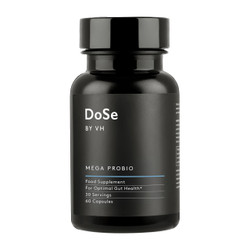
- Probiotics like Mega Probio help maintain balance in the gut microbiome.
- Digestive enzymes such as DoSe Digestive Enzyme Complex can support nutrient absorption and overall gastrointestinal comfort.
For softer or loose stools (Types 5–7 – mild diarrhoea or loose stool):
- Enterosgel can help adsorb excess substances in the gut and support digestive comfort.
- Probiotics help restore gut flora balance.
- Maintain hydration and monitor diet for triggers that may loosen stools.
For digestive discomfort (bloating, gas, wind):
- For those who experience tightness or cramping, peppermint oil has a long tradition of gentle, effective support. Obbekjaers Peppermint Oil Extra Strength contains 200 mg of pure peppermint oil per capsule, helping to relax intestinal muscles and ease bloating or spasms. Clinical studies have demonstrated significant symptom relief making peppermint oil a trusted natural ally.
- LifePlan WindAway® Activated Charcoal capsules naturally absorb trapped gas and can reduce flatulence and colic. Charcoal is fast-acting and supports comfort after meals.
General Digestive Support:
- A combination of hydration, balanced fibre intake, probiotics, digestive enzymes, and herbal bitters can maintain overall gut function.
- Paying attention to your stool types, diet, and digestive symptoms helps you make informed choices for ongoing gut health.
This information is for educational purposes only and does not replace medical advice. If you experience persistent changes in bowel habits, pain, or unusual symptoms, please consult a healthcare professional promptly. It’s important to consult a doctor if you notice a) A persistent change in stool type (hard, lumpy, watery, or loose) for more than two weeks, and/or blood in your stool or black, tarry stools, and/or unexplained abdominal pain, bloating, or urgency, and/or frequent diarrhoea or constipation affecting your daily life.