Trinny & Shabir In Conversation 2026
In a recent conversation with Trinny Woodall, Victoria Health co-founder and pharmacist Shabir Daya MRPharmS shared his perspective on everyday supplementation, hormonal changes, and the nutritional foundations many of us often overlook.
Shabir addresses some of the most frequently asked questions submitted by Trinny and her followers:
If you were starting from scratch, what are the four foundational supplements?
Shabir highlights four nutrients that many adults may benefit from:
1. Vitamin D3 - Vitamin D is involved in far more than bone health. It plays a role in immune function, hormone balance and overall wellbeing. Many people in the UK have sub-optimal levels, even during sunnier months.
Shabir recommends Vitamin D 3000 by BetterYou, £9.45 for 15ml
2. Omega-3 Essential Fatty Acids - Omega-3 fats are required for skin, joints, cardiovascular health and inflammatory balance. Shabir recommends fish oils such as sardine and anchovy oils rather than cod liver oil.
Shabir recommends Life & Soul Omega 3 Fish Oil Daily Capsules by Bare Biology, £32.95 for 60 capsules
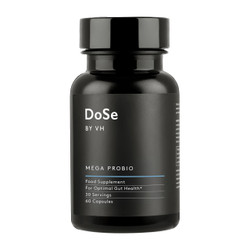
3. A Quality Probiotic -Probiotics help maintain a healthy gut microbiome, supporting digestion, immunity, nutrient absorption and the production of certain B vitamins. A well-balanced microbiome also helps keep less helpful bacteria in check.
Shabir recommends Dose Mega Probio, £25 for 60 capsules
4. Digestive Enzymes - Stress, inflammation and modern eating habits can all reduce natural enzyme production. Digestive enzymes help break down food more effectively, allowing the body to extract more nutrients from meals.
Shabir recommends DoSe Digestive Enzyme Complex, £29 for 60 capsules
Why is vitamin C often better tolerated in liquid form?
Vitamin C is naturally acidic. In most forms, much of it may be excreted before being absorbed since the body works in an alkaline environment. Liposomal Vitamin C encases the acidic form so that it is easily absorbed and so better utilised by the body.
Vitamin C supports collagen production, antioxidant activity, immune function and many detoxification processes — making it one of the most important nutrient which can be taken daily.
Shabir recommends DoSe Liposomal Vitamin C, £35 for 240ml (48 day supply)
What can help menopausal fatigue and low energy?
Fatigue in menopause is often linked to changes in adrenal function. As ovarian hormones decline, the adrenal glands produce more stress hormones and less energising hormones which can lead to persistent exhaustion. Shabir suggests adaptogenic herbs — such as Ashwagandha, Siberian Ginseng and Maca — which help the body regulate stress responses and enhance the production of energising enzymes to gently support raising energy levels without overstimulation.
Shabir recommends DoSe Daily Energy, £24 for 60 capsules
Is collagen really useful — and which form is best?
There is no doubt that the body’s collagen diminishes as we age. Collagen is a very large molecule and so not well absorbed. Most supplements contain collagen peptides which though smaller are still not absorbed as efficiently as collagen tripeptides. Collagen tripeptides are much smaller units of only three amino acids that are absorbed almost completely so that the body can utilise these to manufacture collagen. Collagen is beneficial for joints, cartilage, bones and connective tissue. Studies suggest collagen tripeptides may support joint comfort, skin elasticity and overall connective tissue health over time.
Shabir recommends DoSe Collagen Tripeptide Complex, £45 for 90 capsules (30 day supply)
What can help reduce high cortisol levels?
Chronic stress can lead to persistently raised cortisol levels, which may influence mood, weight, sleep and skin health. Magnolia bark and rhodiola are traditionally used to help calm the stress response while supporting serotonin activity — helping the body move out of a constant “fight-or-flight” state.
Shabir recommends DoSe Magnolia Rhodiola Complex, £29 for 60 capsules
Which magnesium is best for sleep?
All magnesium forms can support sleep, but they differ in how long they remain active in the body.
Shabir highlights magnesium L-threonate as particularly helpful for nervous system relaxation and sustained sleep quality.
Shabir recommends Life Extension Neuro-Mag, £32 for 90 capsules
What helps stiff joints as we age?
Joint stiffness is often linked to changes in cartilage and inflammatory processes. Natural eggshell membrane contains glycosaminoglycans and amino acids that form part of cartilage structure, and has been studied for its role in joint comfort and mobility.
Shabir recommends DoSe Superior Joints, £30 for 60 capsules
What supports hair thinning and hair loss?
Hair thinning may be influenced by stress, nutrient deficiencies, hormonal shifts and digestive health.
Shabir explains that declining oestrogen can increase the influence of androgens, which may affect scalp follicles. Supporting trace minerals, biotin, zinc and overall nutrient absorption can help maintain normal hair condition and keratin production.
Shabir recommends DoSe Superior Hair, £33 for 90 capsules
Wellbeing is a journey rather than a quick fix. Hormonal changes, stress and nutrient needs evolve gradually over time. Supporting the body gently, consistently and realistically allows you to adapt with confidence — at every stage of life.
Individual needs vary. This information is not intended to replace medical advice. If you have a medical condition, are pregnant, or are taking medication, always seek professional guidance.