How Summer Affects Women's Intimate Health (& What You Can Do About It)
Heat, humidity, swimming pools, travel, tighter clothing and even mild dehydration can all affect the delicate balance of the vaginal microbiome. The good news is once you understand what's happening, there are simple steps you can take to stay comfortable and support your intimate health throughout the season.
Why does summer affect vaginal health?
The vagina naturally maintains a slightly acidic pH, which helps protect against unwanted bacteria and yeast. This balance is supported by beneficial bacteria known as Lactobacilli.
During summer, several factors can disrupt that balance. Increased sweating, prolonged moisture, wet swimwear and exposure to chlorinated water can all create an environment where irritation, thrush and bacterial vaginosis (BV) become more likely.
Swimming can be another contributing factor. Chlorinated pool water is more alkaline than the vaginal environment, while salt water can have a drying effect on delicate tissues. This doesn't mean you should avoid swimming, but rinsing off after swimming, changing out of wet swimwear promptly and gently patting the area dry rather than rubbing, can all help.
Can vaginal dryness get worse in summer?
Many women assume dryness is more of a winter issue, but dehydration is one of the most common contributors to vaginal dryness. During warmer weather we lose more fluid through sweating, and often don't replace enough of it. Because vaginal tissues are made up of moisture-rich mucous membranes, they can be among the first areas to feel the effects.
For women experiencing perimenopause or menopause, summer can be particularly challenging. Falling oestrogen levels can leave vaginal tissues thinner, drier and more sensitive. Combined with heat, sweating and hot flushes, symptoms can become noticeably more uncomfortable.
A natural approach to vaginal dryness
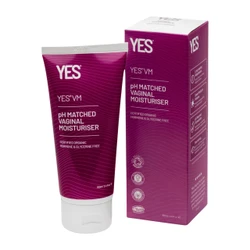
When it comes to immediate relief, I often recommend YES VM Natural Vaginal Moisturiser. This certified organic, water-based moisturiser is designed to work in harmony with the body's natural vaginal environment. It provides long-lasting hydration without hormones, parabens, glycerine or petrochemicals, making it suitable for women at every stage of life.
(The Yes Yes Company, YES VM Natural Vaginal Moisturiser)
Supporting vaginal health from within
Topical products can provide valuable comfort, but supporting vaginal tissue from within is equally important.
One ingredient I regularly recommend is Omega 7, a fatty acid naturally found in sea buckthorn oil. Research suggests it may help support the health of mucous membranes throughout the body, including those of the vaginal tract.
Sibu Omega 7 Sea Buckthorn Oil is an excellent source and can be particularly beneficial for women experiencing ongoing dryness.
(Sibu, Omega 7 Sea Buckthorn Oil)
What should you wash with?
One of the most common mistakes I see is the use of regular soaps, shower gels and fragranced products on the intimate area.
Many of these products can disrupt the skin's natural balance and contribute to irritation, especially during summer when women may shower more frequently after exercise, swimming or hot weather.
Instead, choose a gentle, pH-appropriate cleanser designed specifically for intimate care.
WeTwo Prescriptives Intimate Wash is a gynaecologist-approved balm-to-milk formula that cleanses without stripping moisture from delicate skin, making it especially helpful for women prone to dryness or sensitivity.
(WeTwo, Prescriptives Intimate Wash)
Looking after your vaginal microbiome
Your vaginal microbiome is influenced not only by what you use externally but also by what's happening internally.
For women who travel frequently, swim regularly or experience recurrent thrush or BV, targeted probiotics can be worth considering.
OptiBac Probiotics For Women contains clinically researched strains selected specifically to support vaginal flora, while BioCare IntraFresh Pessaries can provide more direct support following antibiotics, travel or periods of imbalance.
(Optibac, For Women)
Occasional irritation or dryness can often be managed with the right support, but if you experience persistent symptoms, unusual discharge, pain or ongoing discomfort, it's important to speak with your GP or healthcare professional.